
In our series on Leaving Church and creating SAFE SPACES ONLY, we have found a pattern of behaviors that too many church leaders enact when conflict and abuse show up. One of those patterns seems to be the way in which leaders exhibit insecurity and fear.
Silos of Secrecy
Secrecy will be used as a Standard Operating Procedure for insecure leaders. They will make sure that people never know the whole story and that people who seem like they are onto the insecure leader will be kept apart from everyone else. Their jobs and functions will be kept in silos, keeping everyone at a distance.
Insecure people don’t want you talking to just anyone. They don’t want you comparing notes with anyone or asking questions of people who they have running interference for them. Insecurity means they will often say one thing to one person and something different to another. They will even attempt to triangulate and leave a path for everyone to end up at the same place, meaning they will say whatever they need to say to not be held accountable or to face any real consequences for their actions or lies.
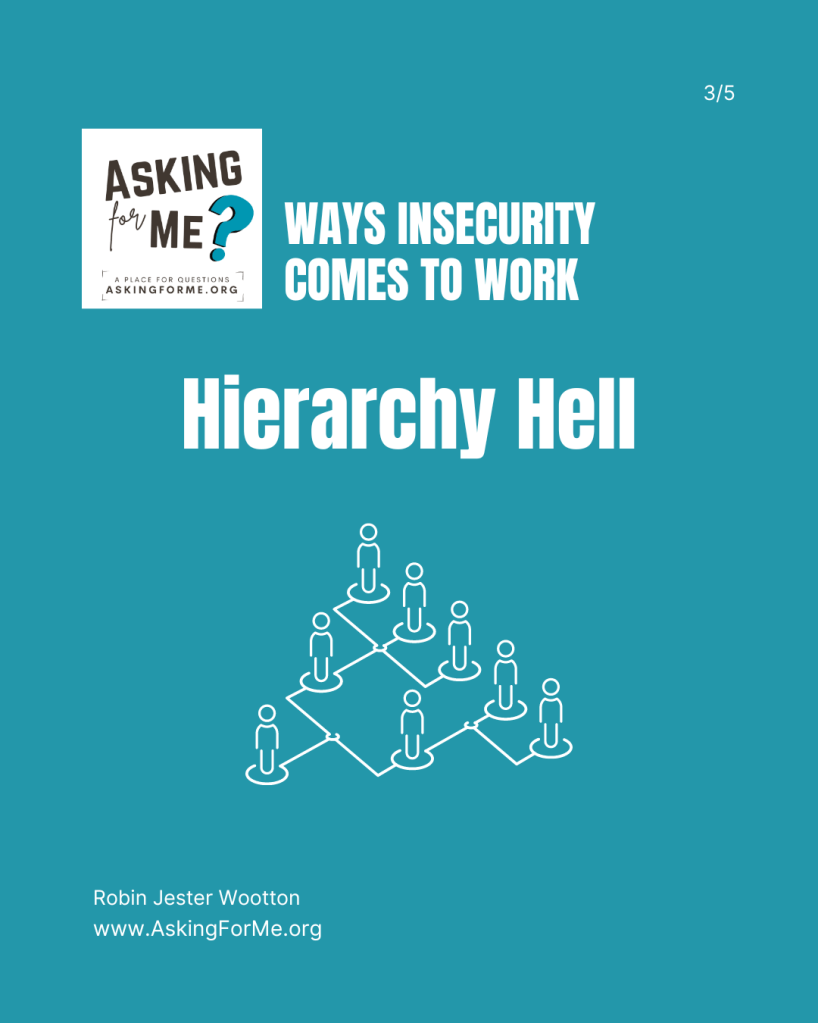
Hierarchy Hell
In order to keep all the stakeholders separated and in silos, the insecure leader will make sure everyone knows “Their Place” in the system. A very specific hierarchy is usually in place to keep everyone marching to the same drum. We see this in regimented systems where going around the hierarchy is frowned upon with significant pushback and consequences for anyone who dares to upset the chain of command, no matter how significant the reasons for doing so may be.
The hierarchy is built as an elaborate maze with walls to do mostly one thing: protect the insecure leader from accusations. Once that wall has been breached, the appeal will be made to approach the breach as a more important issue to deal with immediately than the actual issue that was brought up regarding leadership. In a classic retaliation against a whistleblower, insecure leaders will do all they can to paint the whistleblower as not a team player, or acting out of selfishness or bitterness. Not always, but often, the hierarchy isn’t even very clear to people within the system until they have “breached” it, especially in churches where everyone will say they are available or have “open door policies.” Ministries will tend to use spiritual language to seem friendly and committed to conflict best practices while actually evading or thwarting accountability when the time comes.
Communication Breakdown
Between keeping everyone in silos and instilling fear of breaching protocols, most of the people within a system will either be effectively silenced by insecure leaders or they will simply leave.
Whatever information they may have will often be lost and new people coming into the system will have bought the leaders time to groom them and attempt to create a system that will only see their good sides and not the breakdowns they have had in the past.
The breakdowns might not resurface again for a good while for multiple reasons, one being the personality types of former workers who turned into whistleblowers is now gone from the system. Those who had the insight and the courage to speak out have been removed and it might take a long time for the new stakeholders to catch on or to build up the courage it takes to ask questions of leaders. It will appear the system has improved during this time, but it hasn’t. Insecure, fearful, and abusive leaders can hide in plain sight for a good long while, sewing the seeds of confusion and creating a smoke and mirrors effect so most people will think the culture is just fine.
###


 Asking For Me
Leave a comment